Chalk One Up: Charming Chalkboard Ideas for Your Home
A little chalkboard goes a long way. Easy, pretty chalkboard decor and hand-lettering ideas for the kitchen, the entryway, and every party you host, plus the trick to lettering that actually looks good.
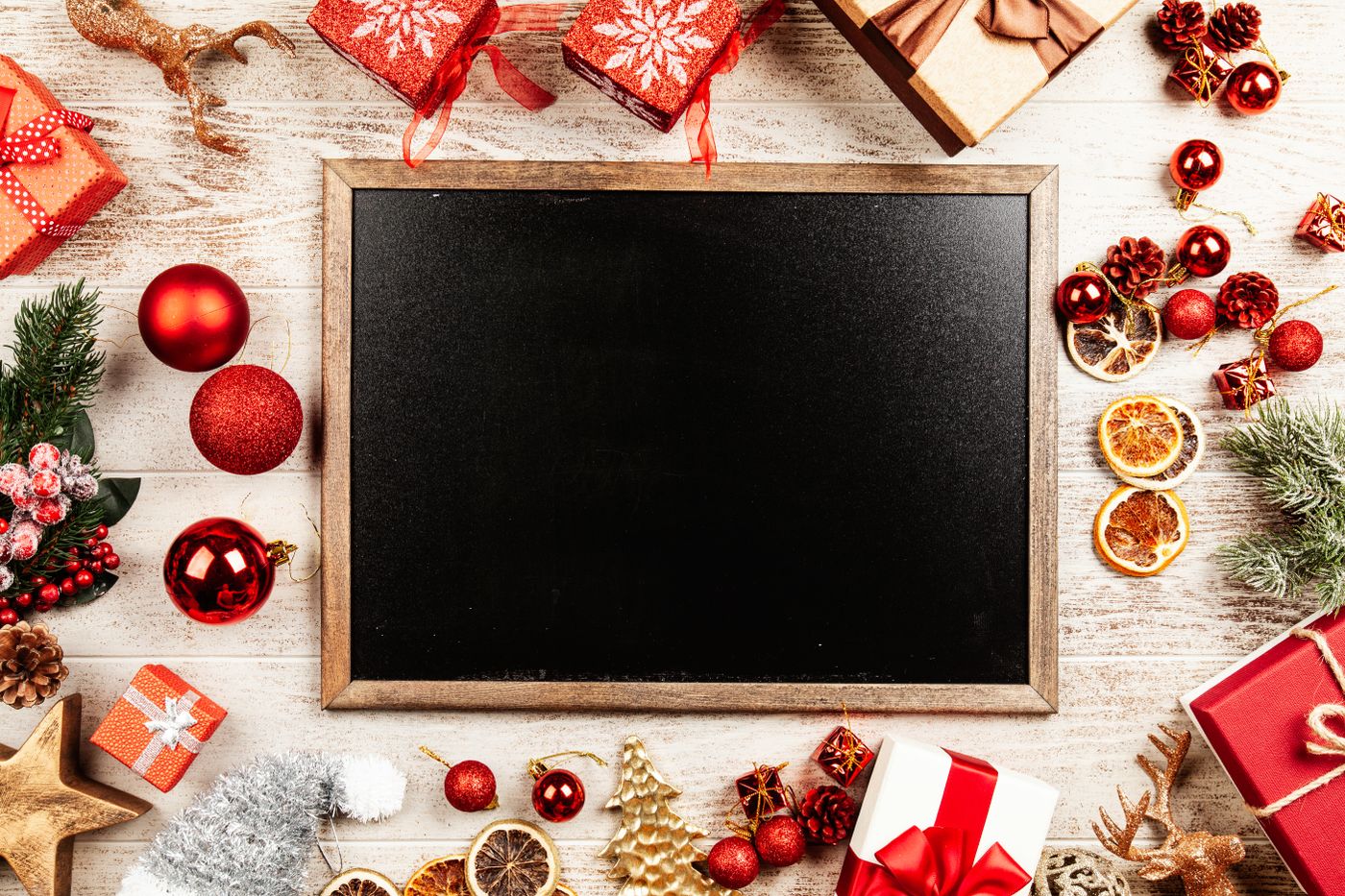
There is a little chalkboard in my kitchen that has held the week’s dinners, a kid’s spelling word, a “welcome home” for my husband, and the menu for at least fifty parties. For something so simple, it earns its keep. So today I am going to chalk one up for the humble chalkboard and share the ways I actually use mine.
It is a tool with real staying power. The classroom blackboard was invented around 1801 by James Pillans, a Scottish schoolteacher who mounted a large sheet of slate on the wall so he could teach the whole room at once. He is even credited with inventing colored chalk in 1814, reportedly mixing ground chalk, dyes, and porridge. More than two centuries later, that same matte-black surface still makes a room feel warm and lived-in.
My favorite ways to use a chalkboard
- The kitchen menu board. I write the week’s dinners on Sunday. It cuts the nightly “what’s for dinner” question off at the knees and looks pretty doing it.
- The party sign. A framed chalkboard at the door, lettered with “Welcome” and the occasion, instantly makes guests feel expected. I lean one against a stack of books on the buffet at every gathering.
- The entryway organizer. Reminders, the field-trip date, “buy more milk.” Ours lives by the back door and saves me from myself.
- The kids’ countdown. Days until the beach, days until the first day of school. They love updating it, and it buys me ten quiet minutes.
The trick to lettering that looks good
You do not need to be an artist. You need a pencil and a plan.
- Sketch lightly in pencil first. Map your words and spacing before you commit a single chalk stroke. This one step fixes ninety percent of wonky lettering.
- Mix your styles. Pair a tall script word with a chunky block word. The contrast is what makes it look intentional rather than messy.
- Use a chalk pen for crisp lines and traditional chalk for soft shading. A damp cotton swab cleans up edges and erases mistakes cleanly.
- Condition a new board first. Rub the side of a piece of chalk over the whole surface, then wipe it off. It prevents that permanent “ghost” of your first design.
A chalkboard is the rare decor piece that is genuinely useful, costs almost nothing, and changes with your mood. Hang one near where you cook, and it quietly becomes the most-used pretty thing in the house. It pairs especially well with a seasonal table or a casual cookout menu, and like my painted Lilly pumpkins, it is proof that the most charming touches are often the simplest ones.